
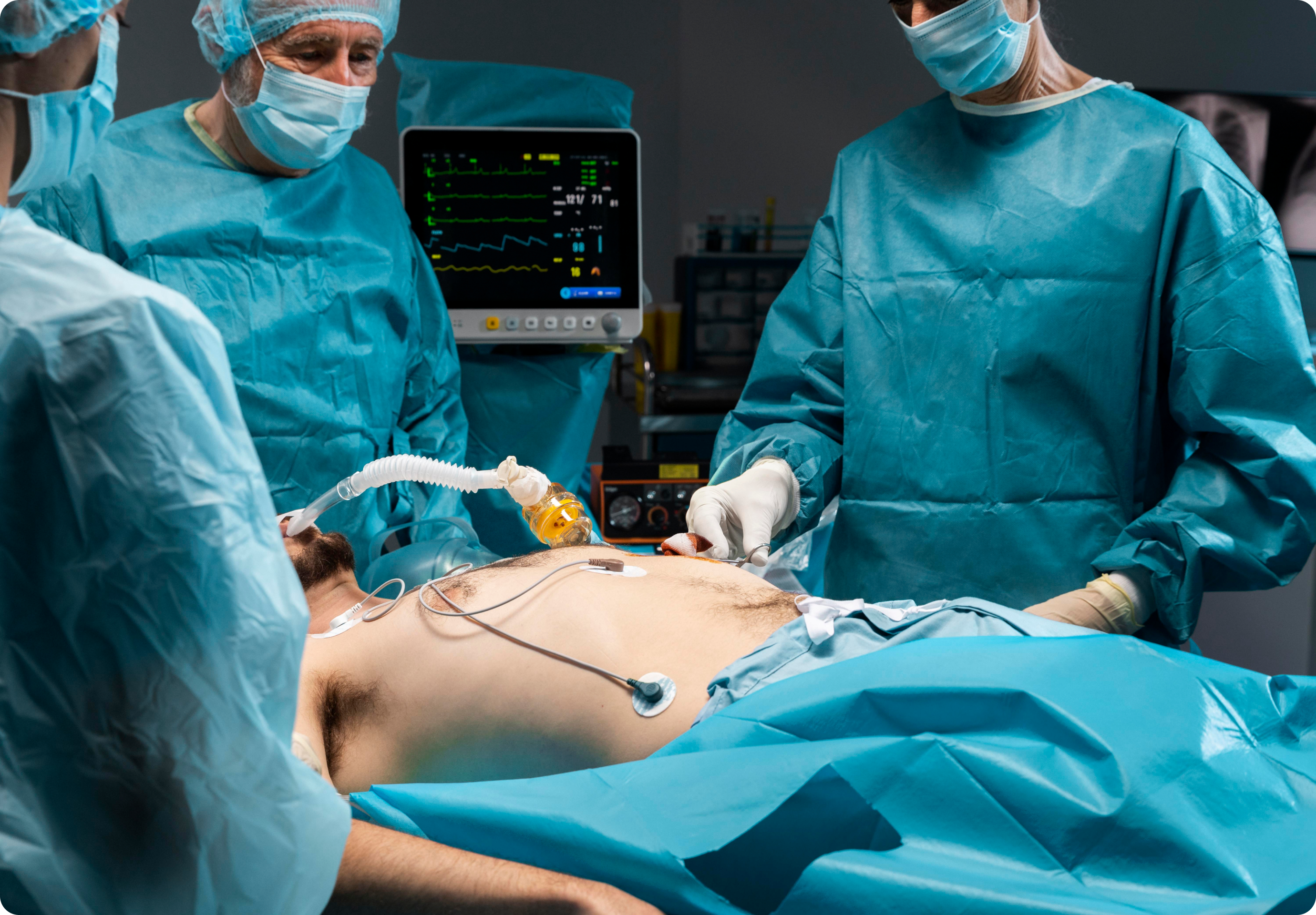
How long does recovery take? Recovery after bariatric surgery happens in stages. The NHS describes a typical hospital stay of 1–3 days and a gradual return to usual activities around 4–6 weeks. Your procedure, health, complications and work demands can change that timeline. Discharge does not mean you are fully healed or cleared to fly. Follow your treating team’s instructions. Source: NHS recovery guidance.
This guide brings together early recovery, nutrition, activity and support planning. For trip logistics, use our travel and recovery guide; for continuing care, see aftercare planning.
key takeaways
Effective post-surgery recovery is possible through proper care of your body, dietary adherence, and gradual physical activity.
- The Initial Recovery Period: The First Few Days
- You Are What You Eat: Navigating the Dietary Transition
- Get Physical! How Exercise Helps with Overall Healing
- Building a Support System: Your Key to Long-Term Success After Bariatric Surgery
- Mexico Weightloss Surgery Center: A Place to Rest, Relax, and Begin Your Next Chapter
Rest and relaxation are a key part of the recovery process for any type of bariatric surgery.
Whether you’ve just undergone a gastric bypass surgery, a gastric sleeve surgery, or even a revision of an older type of surgery, weight loss surgeries require that your body has a chance to recover before the weight loss journey can truly begin.
But knowing the right way to rest and what your body needs to relax may be a challenge for many bariatric patients.
This guide is going to help lay out the recuperation plan that you will want to follow, as well as some key tips to make sure that you’ve done everything you can to help your body begin the next exciting chapter to true life-changing weight loss when it’s time.
Ready to get started? Then take a deep breath and let’s begin.
The Initial Recovery Period: The First Few Days
Embarking on the journey of weight loss surgery is one that will be most rewarding if you know what to expect and prepare for in the time following your surgery…particularly in the first few days.

Any major surgery will require some special protocol to be put into place, and bariatric surgery is no exception to this.
Let’s take a look at what these first days post-surgery are going to look like for most bariatric patients.

Surgery Day
In the hours following your surgery, it is very common to experience mild pain and discomfort after waking up from anesthesia. And while pain medications can be given, you’ll want to make sure you’ve chosen a facility where constant and easy communication with the medical staff is possible so they can carefully monitor your pain levels.
In fact, having a medical staff that’s easy to communicate with is going to be vital during your entire hospital stay.
Ask your surgeon whether your procedure requires a drain and how to care for it. Drain use varies; a drain is not a guarantee that a leak will be detected. Before discharge, get written wound-care instructions and a number for urgent clinical concerns.
Schedule Your Consult
Explore candidacy. Book a consultation to learn more about your eligibility and take the next step towards your goals.

Day 1 Post-Op
Follow your surgical team’s instructions about showering and wound care; timing depends on your incisions and dressings. Moving around (carefully) is important for your healing at this point and your medical team will assist you in getting out of bed and walking around.
Not only will you start moving your body to promote healing, but you’ll also begin your post-op diet, which will start with clear liquids. You want to take in nutrients to help you keep your strength, but you’ll also want to eat foods that are easy on your stomach, which means clear liquids will be best.
Staying hydrated is also crucial during this period. Your body is made up of mainly water and keeping it well hydrated is going to be a crucial part of your healing. No matter which of the weight loss procedures you have, remember that drinking water is going to help you recover faster.
Days 2 thru 5
Your surgical team decides when you are ready for discharge. Confirm separately when you may travel and what support you need after leaving hospital.
Most weight loss surgery packages, like Mexico weight loss surgery, include a stay for at least a day or two after the surgery is complete (and you should avoid any that don’t offer this!) You’ll want to make sure your surgery center sends you off with plenty of instructions on how to care for yourself upon your return home as well as contact numbers where you can reach your medical team if you have any questions or any complications arise.
Your continued healing and recovery will be contingent on you choosing a surgery center that has the right protocol in place to support your healing process even after you return home.
At Mexico Weightloss Surgery Center, for example, we offer excellent aftercare as well as long-term support, staying in touch with you and making sure you are able to lose weight and keep it off successfully, long after you’ve returned home.
You Are What You Eat: Navigating the Dietary Transition
Your recovery period will have a lot to do with you listening to and taking care of your body.

And a big part of listening to your body will be making sure you nourish it properly.
Bariatric surgeries do a great job of decreasing the amount of caloric intake your body can handle, making it essential that you do the work of making sure to consume quality nutrients so that your body functions properly.
But remember: slow and steady wins the race.
Let’s look at how your eating habits should evolve after your gastric bypass or gastric sleeve surgery is behind you.
Diet progression: follow your own written plan
Do not advance to solid foods on a fixed day from an online article. Programs use staged diets, but the timing differs. Your team should specify when to move from liquids to puréed foods, soft foods and regular textures. The NHS explicitly notes that diet plans vary between patients. NHS recovery guidance.
ASMBS describes hydration and protein as priorities after surgery, commonly citing at least 64 ounces of fluid and 60–100 grams of protein daily. These are general targets, not an individualized prescription; ask your team what is appropriate for your health and current stage. Supplements and long-term follow-up are also essential parts of bariatric care. ASMBS: life after bariatric surgery.
How a bariatric dietitian can help
Ask for a plan that fits your food preferences, tolerances, budget and medical needs. Keep a simple record of fluids, tolerated foods and symptoms to discuss at follow-up. A difficulty meeting your intake goals is a reason to contact the team, not to force larger portions or advance textures without advice.
Once your team clears the appropriate textures, discuss protein options such as fish, eggs, poultry, tofu or tolerated dairy. Vegetables, fruit and grains need to match your current stage and tolerance. A list of healthy foods is not an early postoperative menu: even a nutritious food may be unsuitable immediately after surgery.
- Get the exact stage instructions and approved food list before discharge.
- Ask how and when to take prescribed supplements and medicines.
- Ask who to contact if nausea, vomiting or difficulty drinking interferes with the plan.
- Arrange dietitian follow-up rather than relying only on social-media advice.
PRICING & COSTS
Explore surgery expenses and pricing details to better understand the associated costs for your medical procedure.

Get Physical! How Exercise Helps with Overall Healing
Your recovery journey will need to extend beyond just nutrition if you plan for it to be effective long term.
Regular and rewarding physical activity is going to be the next brick in your strong weight loss foundation.

Start With Something Gentle (and Enjoyable!)

Gentle exercises, tailored to your post-surgery capabilities, contribute significantly to your recovery.
Short walks as directed by your team support early mobility and can help reduce blood-clot risk. Ask before adding stretches or exercise that strains your abdomen. ASMBS activity guidance.
Not only that, but slow and gentle initial movement will allow you to begin to get in touch with your new body and relearn how it operates.
Find things that are fun for you to do and be patient with yourself as you begin. Be mindful of being careful and don’t do anything overly stressful that can cause an injury, which will set you back in your recovery process.
Gradually Increase for Strength and Flexibility
Feeling better is encouraging, but get your surgical team’s clearance before advancing beyond the prescribed walking and activity plan.
Low-impact activities will add a bit of intensity to your workout, but they won’t be overly taxing on your body.
You can try things like stationary biking, low-incline stair stepping, or low impact group exercise classes.
You may also want to begin to incorporate strength-building exercises that will enhance muscle tone and support the structural adjustments your body is experiencing following surgery.

Gentle stretches contribute to improved flexibility, ensuring a smoother recovery process.
Long-Term Lifestyle Changes for Life-Long Well-being

This is the time for you to consider incorporating the types of exercise into your daily routine that will help you achieve true lifestyle changes.
Embrace daily walks, opt for stairs instead of elevators, and engage in activities that align with the person you ultimately want to be.
These subtle changes will begin to contribute to the overall active and healthier lifestyle you have dreamed of and will make everything you’ve gone through worth it in the end.
Building a Support System: Your Key to Long-Term Success After Bariatric Surgery

Embarking on the post-bariatric surgery journey is a transformative experience and having the right support can be instrumental in achieving and maintaining your desired weight loss. When considering bariatric surgery, it’s common to weigh it against other options like diet and exercise alone. Looking at weight loss surgery vs diet and exercise can help inform your decision. Ultimately, the most sustainable approach combines multiple strategies.
Here are some key resources to look for…even before your weight loss procedure takes place:
Support Groups and Online Resources
Joining support groups, whether in-person or online, provides a platform to connect with individuals who share similar experiences, challenges, and victories.
These communities offer a safe space to discuss concerns, seek advice, and celebrate milestones.
The collective wisdom and encouragement from those who understand your journey can be a powerful motivator.


A Reputable Bariatric Surgery Center
The choice of your bariatric surgery center is going to play a pivotal role in your post-surgery success.
Opting for a reputable and supportive center, such as Mexico Weightloss Surgery Center, ensures that you have a dedicated team guiding you through every phase of your weight loss journey.
From experienced bariatric surgeons to a caring and skilled support staff, a comprehensive bariatric center becomes a partner in not only your short-term needs but in your long-term goals as well.
Other Bariatric Surgery Patients
In the realm of weight loss, sharing the journey makes it more attainable and more meaningful.
Connecting with others who are on a similar path can be a big game-changer in your success and healing, since these are people who have gone through this medical procedure and can empathize with you in a way no one else can.
Whether you have had a gastric bypass or a gastric sleeve procedure, you will benefit from finding others who are on this journey as well.
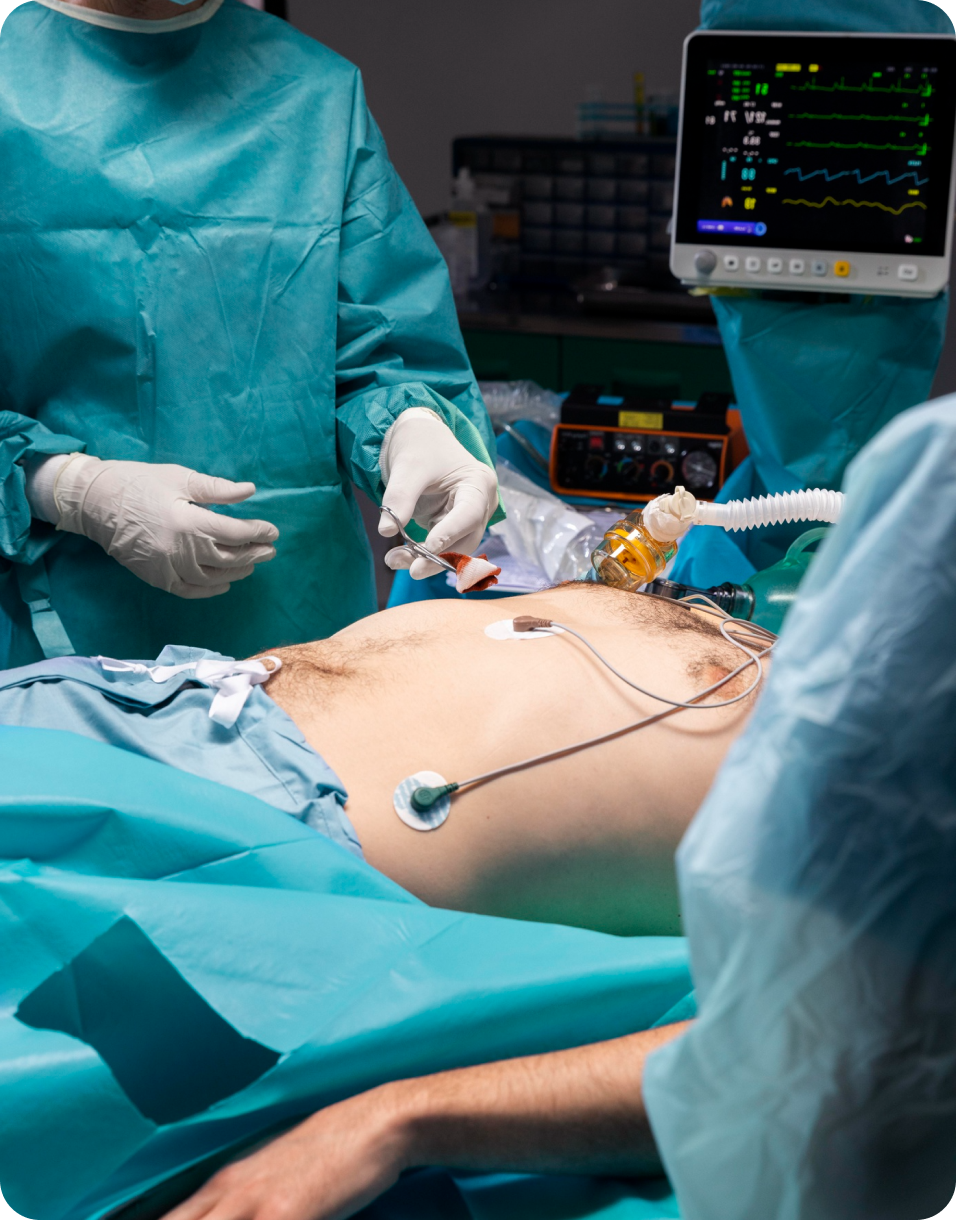
Remember, you don’t have to navigate post-bariatric life alone.
With the right resources and support, you can forge ahead with confidence, knowing that every step is backed by a community dedicated to your success.
Mexico Weightloss Surgery Center: A Place to Rest, Relax, and Begin Your Next Chapter

Achieving your desired weight loss isn’t a one-time event…it’s about establishing sustainable habits that will stay with you long after you have traveled back home.
Finding a supportive bariatric center will give you the initial rest and the long-term resources you need to help you for years to come.
When you’re ready to embark on your weight loss journey, reach out to Mexico Weightloss Surgery Center. Our board certified bariatric surgeons and excellent health care team can’t wait to help you start your success story. Let’s start it today!
Mexico Bariatric Experts
Uncover the Renew Bariatrics Difference with Mexico Bariatric Experts – Your personalized journey to transformative well-being.
Plan work, exercise and support before you travel
Ask for a return-to-work estimate that reflects your actual job. ASMBS notes that many patients return in one to two weeks, but physically demanding work, fatigue or complications may require longer. ASMBS patient FAQs.
Build a realistic activity plan with your team. Longer-term options may include walking, cycling, resistance exercise or adapted classes once cleared. Swimming requires appropriate wound healing and permission; neither a pool nor sightseeing should be assumed to be part of immediate postoperative recovery.
Questions to settle before discharge
- Who handles pain or nausea that is not controlled by the prescribed plan?
- When am I cleared to fly, drive, lift, exercise and resume my particular job?
- Who provides local care if I have a problem after returning home?
- What records, prescriptions and emergency contact details should I take home?
- When are my follow-up visits and blood tests, and who reviews the results?
Practical help matters too. Arrange support with childcare, shopping and other responsibilities so you can follow your recovery plan. Support groups can offer encouragement, but they cannot diagnose a complication or replace clinical follow-up.
Symptoms that need prompt medical attention
Seek emergency care for severe abdominal pain, chest pain, breathing difficulty or significant bleeding. Fever, a fast heartbeat, repeated vomiting, trouble swallowing, or worsening leg swelling or pain require prompt medical assessment. Do not wait for a routine coordinator reply if you may have an emergency. NHS: complications and warning signs.
Educational information, not an individualized discharge plan. Your treating team’s instructions take precedence. This article combines the site’s previous two recovery guides.